
ATM Kept Your Card in Da Nang: What To Do Right Now
💡 If a Da Nang ATM swallowed your card, photograph the bank name and machine ID number before you walk away, then call your home bank's international emergency line to report the capture and block the card. If the branch counter is open, speak to staff in person with your passport. A foreign card retained in Vietnam will almost never be returned by mail.
Key takeaways
- Before leaving the ATM: photograph the bank name, machine ID sticker, and full branch address.
- Call the international emergency number on the back of a spare card, or find it on your bank's official website, to block and report the card.
- If the branch is open during business hours, go to the customer service counter immediately with your passport.
- Vietnamese banks almost never return foreign-issued cards: assume you will not get it back, and plan the rest of your trip without it.
- Backup cash options: Grab app (card saved in-app), hotel cash advance, or a Wise or Western Union transfer from home.
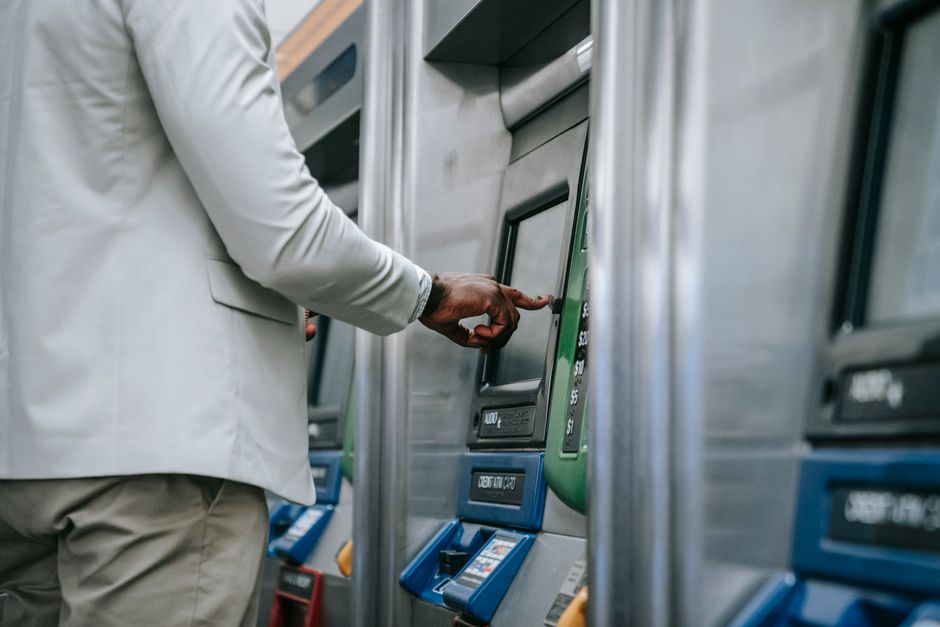
Why did the ATM keep your card?
Vietnamese ATMs retain cards for several distinct reasons, and knowing which one applies changes your next step.
- Wrong PIN entered three times. The machine locks the card automatically. Your issuing bank may have also blocked the card at their end.
- Card expired or blocked by your issuer. The ATM flags it as invalid and captures the card to prevent further use.
- Timeout: you did not collect the card in time. Most ATMs retract the card after about 30 seconds if it is not taken from the slot.
- Technical fault. A chip or magnetic stripe misread triggers a security hold without any error on your part.
- Tamper alert. Some newer ATMs automatically retain cards when a sensor detects a foreign device attached to the card slot.
The most common cause for foreign travellers is a wrong PIN or an expired card. If you photographed your card before leaving home, check the expiry date now.
Your first 5 minutes: the action list
Complete these steps before leaving the ATM area, in order.
- Photograph the machine. Capture the bank logo, the branch address on the wall, and the ATM machine ID sticker, usually near the screen or keyboard. You will need these details when calling the bank.
- Check if the branch is open. A staffed branch is usually on the ground floor of the same building. Hours are roughly 08:00 to 17:00 on weekdays, shorter on Saturday.
- Call your home bank. Use the international emergency number on the back of a second card, or find it on your bank's official website. Say the card was retained by an ATM, not lost or stolen, so the bank records the correct status.
- Decide whether to block. Ask your bank whether to block the card immediately or to wait while a retrieval is attempted. If there is any sign of ATM tampering, block it without waiting.
- Call 113 if you suspect skimming. A loose card slot, a plastic overlay that should not be there, or unusual machine behaviour before the card was retained are all red flags. Report these to Da Nang Police on 113 immediately.
What can branch staff actually do?
Branch staff capability depends on whether the ATM belongs to that branch's bank and whether an ATM technician is on site.
If the card was retained by that bank's own ATM during business hours, staff can confirm the capture on their system, log a retrieval case, and in some cases open the ATM tray with a supervisor present. Bring your passport as identification.
Most Vietnamese bank branches do not have an ATM technician available at all times. Staff may ask you to call the bank's national 24/7 hotline and open a formal case number, or to return the next business day.
If the ATM is a standalone machine in a hotel lobby or shopping centre and belongs to a different bank than the one nearby, that branch cannot help. Contact the bank whose name and logo appear on the ATM directly.
The Da Nang Visitor Center at 108 Bach Dang Street can help you call the correct bank hotline. The contact number listed by Da Nang City is (0236) 3 550 111. Confirm this is still current before relying on it.
Will you get your card back?
In most cases, no. Vietnamese banks are not permitted to return a foreign-issued card to the cardholder over the counter. The captured card is typically held, cut, or returned to the card network after an internal review period.
Some travellers have recovered their card by visiting the branch the next business day with their passport and the ATM case number, when a technician was available. This outcome is not certain and is less likely at unstaffed standalone ATMs.
Your home bank will cancel the retained card and issue a replacement to your home address. Plan to manage the rest of your Da Nang stay without it.
If the retention was triggered by a security alert rather than your error, ask your home bank for a written confirmation. Some travel insurance policies reimburse emergency card replacement costs when the card was captured due to fraud or a technical fault.
Managing cash in Da Nang while you sort it out
Several practical options exist to keep moving while the card situation is resolved.
- Second card or digital wallet. If a second card is saved in Grab, Apple Pay, or Google Pay, many Da Nang restaurants, shops, and taxis accept contactless payment.
- Hotel cash advance. Ask your accommodation: many hotels and guesthouses will advance VND or USD against a future card payment or a second card.
- Wise or Western Union. Someone at home can send money to a local bank account or for cash pick-up at a Western Union agent, often within minutes.
- Another ATM with a working card. VPBank and Techcombank ATMs tend to be more compatible with foreign-issued cards and charge lower surcharges, though your home bank's exchange fees still apply.
- Embassy or consulate emergency assistance. If you are entirely stranded, see the stolen card and fraud guide for consulate contacts by nationality, or go to the Da Nang Help hub to reach the Da Nang Help line directly.
If your card is issued by a Visa or Mastercard bank, your issuing bank may offer emergency cash delivery through the card network's emergency services program. Ask your bank whether your account type includes this benefit.
FAQ
The ATM is in a hotel lobby with no bank branch nearby. What do I do?
Note the bank name and ATM ID from the label on the machine, then call that bank's national 24/7 hotline, often printed on the ATM itself. Lodge a formal retrieval request and ask for a case number. Call your home bank at the same time to report the retention and decide whether to block the card.
Can a police report force the bank to return my card?
No. A police report from the local ward police station does not compel a bank to release a captured card. It is useful if you suspect ATM tampering, if money was taken without your authorisation, or to support an insurance claim. For a routine card retention by a working ATM, a police report is not required.
My card was kept after I entered the wrong PIN. Is it permanently blocked?
Not necessarily. Three wrong PIN entries trigger a temporary security hold, not a permanent cancellation. Call your home bank: they can often reset the PIN lock remotely, though the physical card remains in the ATM. Ask whether to proceed with a formal retrieval attempt or to cancel and replace the card.
How long does it take to get a replacement card?
Most banks deliver a replacement to a home address in 3 to 7 business days. If you are staying in Da Nang longer, ask your bank whether they can courier to a local address. Some premium card programs include emergency card replacement abroad: ask your issuing bank whether your account includes this service.
The ATM dispensed my cash but then kept the card. Did the transaction go through?
Yes. If cash was dispensed, the withdrawal completed successfully. The machine then retained the card due to a separate technical event, such as a timeout. Call your home bank to report the retention and confirm your account shows the correct amount.
Official sources
- UK Government, Vietnam travel advice: getting help - emergency contacts and consular financial support in Vietnam. Verified September 2026.
- U.S. Embassy in Vietnam, safety and security advice - financial safety tips and emergency contacts for travellers. Verified September 2026.
- State Bank of Vietnam, consumer protection - banking regulator; general enquiries (84-243) 936-6306. Verified October 2026.