💡 For a K-1 fiancé visa, certified English translations are all you need. Neither USCIS at the I-129F petition stage nor the US Embassy in Vietnam requires apostille on Vietnamese civil documents. Vietnam joined the Hague Apostille Convention on 11 September 2026, but that change does not affect K-1 requirements - bring originals and certified translations.
- USCIS and the US Embassy require certified English translations under 8 CFR 103.2(b)(3), not apostilles, for every stage of K-1 processing.
- Vietnam's Apostille Convention membership since 11 September 2026 does not change what USCIS or the Embassy asks for during K-1.
- Your birth certificate, Justice Record Certificate No. 2, and any divorce or death records all need certified English translations.
- An apostille authenticates the official's signature on the original - useful for courts and registries in Hague member countries, not for a US Embassy immigration interview.
- You do not need a certified true copy from a Vietnamese notary. Submit a plain photocopy alongside the certified translation.
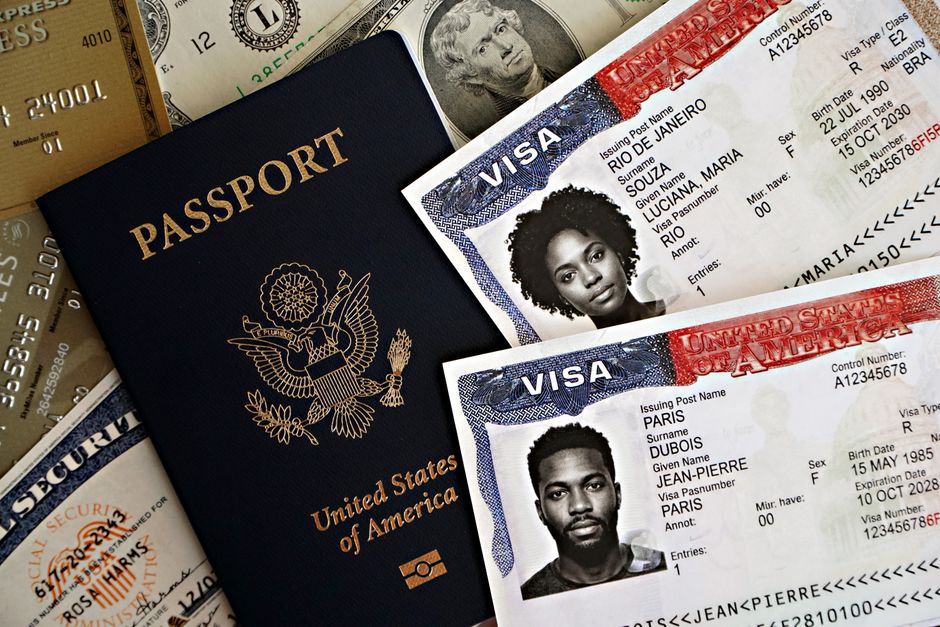
| Certified Translation | Apostille | Certified True Copy | |
|---|---|---|---|
| Required for I-129F (USCIS) | Yes | No | No |
| Required for K-1 Embassy interview | Yes | No | No |
| Who provides it | Certified translator | Vietnam MOFA | Vietnamese notary / People's Committee |
| What it verifies | Translation accuracy into English | Official's signature on the original | Copy matches the original document |
| Bottom line for K-1 | Always required | Not required | Not required |
The K-1 fiancé visa: two stages, one translation requirement
The K-1 fiancé visa moves through two stages before your Vietnamese partner receives the visa. First, the US citizen petitioner files Form I-129F with USCIS. Second, once approved, the case transfers to the US Embassy in Hanoi or the Consulate General in Ho Chi Minh City, where the Vietnamese fiancé(e) attends the interview and submits supporting documents.
At both stages the rule is the same: any document not in English must be accompanied by a certified English translation that includes the translator's signed Certificate of Accuracy, confirming the translation is complete and accurate and that the translator is competent in Vietnamese and English. That requirement comes directly from USCIS Form I-129F guidelines and 8 CFR 103.2(b)(3). Neither USCIS nor the Embassy adds an apostille requirement.
Does Vietnam's apostille (since September 2026) change K-1 requirements?
Vietnam became a member of the Hague Apostille Convention on 11 September 2026. The Vietnam apostille change means a Vietnamese MOFA apostille now replaces multi-step consular legalization for public documents going to other Hague member states. This matters for many situations - but not for K-1 processing.
The apostille authenticates the official's seal or signature on the original Vietnamese document so a foreign court, registry, or government body can trust its origin. A US Embassy immigration interview is not that kind of proceeding. The Embassy can inspect original Vietnamese documents directly alongside certified translations. No Embassy instruction requires an apostille for K-1 applicants, and Vietnam not being a Hague member before September 2026 never prevented K-1 processing.
Which Vietnamese documents need certified translation for K-1?
The core documents a Vietnamese fiancé(e) must translate for K-1 processing include:
- Birth certificate - full-form record (giấy khai sinh or trích lục khai sinh). The Embassy wants the full certificate, not a summary extract.
- Justice Record Certificate No. 2 (phiếu lý lịch tư pháp số 2) - full criminal record check with wet signature and stamp.
- Divorce decree or death certificate - required if either party was previously married.
- Passport biographical page - when filing the I-129F petition with USCIS.
- Court records or custody documents - if applicable to the specific case.
Each document needs a complete translation rendering every field, every stamp text, and every official heading. For related civil-record translation requirements, see Vietnamese documents for Form I-130, which follows the same USCIS translation standard.
Does the police certificate need apostille or translation?
Vietnam's phiếu lý lịch tư pháp số 2 (Justice Record Certificate No. 2) is the police clearance document the US Embassy requires for K-1 applicants aged 16 and over. It carries a wet signature and official stamp from the Vietnamese Ministry of Justice and must be obtained in original form - electronic versions are not accepted.
The Embassy requires the original certificate with its wet signature plus a certified English translation. No apostille is required. For more on what USCIS needs from Vietnamese civil documents, the same principle applies: originals plus certified translations, no apostille.
Do you need a certified true copy of your birth certificate?
A certified true copy (bản sao có chứng thực) is an officially verified photocopy issued by a Vietnamese notary office (văn phòng công chứng) or People's Committee. It confirms the copy matches the original but does not translate anything into English.
USCIS and the US Embassy do not require a certified true copy for K-1 documents. Submit the original Vietnamese document alongside a plain photocopy and the certified English translation. If you no longer have the original, a certified true copy can substitute - but the translation requirement is the same either way.
What translation certification does USCIS check under 8 CFR 103.2?
Under 8 CFR 103.2(b)(3), every translation submitted to USCIS must include:
- A complete, word-for-word English rendering of the entire original document
- A signed statement that the translation is complete and accurate
- A statement that the translator is competent in both Vietnamese and English
- The translator's printed name, signature, and contact information
USCIS does not maintain an approved translator list and does not require NAATI certification or sworn/court status. The translator's own signed certificate is sufficient. I provide certified Vietnamese document translations for USCIS filings, including K-1 sets covering birth certificates, police clearances, and civil records, each with a full Certificate of Accuracy.
Get your K-1 documents translated correctly
Focus on three things: use a translator who knows Vietnamese civil documents, include a signed Certificate of Accuracy with every translated file, and submit the original alongside the translation. Skip the apostille - it is unnecessary for K-1, and paying for it adds time and cost without benefiting your application. For a full step-by-step checklist of K-1 document preparation, see the K-1 fiancé visa translation guide.
Ready to order or need a quick quote? Send the documents via the contact form and I will confirm scope and turnaround.
FAQ
Does the Vietnamese birth certificate for K-1 need apostille?
No. Bring the original birth certificate plus a certified English translation. USCIS and the US Embassy in Vietnam do not require apostille on Vietnamese documents for K-1 visa processing.
Can a translator based in Vietnam certify the translation?
Yes. USCIS requires the translator to certify competence and accuracy under 8 CFR 103.2(b)(3), but it does not restrict where the translator is located. A translator in Vietnam or anywhere else can certify K-1 translations.
Does the K-1 translation need to be notarized by a US notary?
No. USCIS does not require notarization of certified translations. The translator's own signed Certificate of Accuracy is sufficient for both the I-129F petition and the Embassy interview stage.
What is lý lịch tư pháp số 2 and does it need apostille for K-1?
It is Vietnam's Justice Record Certificate No. 2 - the full criminal record check. The US Embassy requires the original with a certified English translation for K-1. No apostille is required.
If I apostille my Vietnamese documents anyway, will USCIS reject the application?
No. An apostille will not cause rejection. But it is unnecessary for K-1, adds cost, and extends your timeline. Focus on complete, accurate certified translations instead.

Written by Dao Huy (Lucas), Vietnamese translator and localization specialist (English, Chinese and French into Vietnamese). See translation services → · Certified Documents →