
💡 For most Australian visa types, including partner visas (309/820), your Vietnamese documents do NOT need a certified true copy from a Vietnamese notary. The Department of Home Affairs accepts quality color scans plus a certified English translation with the translator's credentials and accuracy statement. We provide exactly that. NAATI accreditation is only required for translators inside Australia.
- For partner visas (309, 820, 100, 801) and most other visa categories, the Department of Home Affairs no longer requires a certified true copy: quality color scans of originals are accepted.
- A certified English translation is always required for every Vietnamese document you submit; a scan alone is not enough.
- "Certified copy" in Australian checklists means a quality scan or photograph, NOT a Vietnamese notarized copy.
- Translators outside Australia do not need NAATI accreditation: the translator's credentials and signed accuracy statement are sufficient.
- Requirements vary by visa type: always confirm the evidence requirements for your specific subclass on the Home Affairs website before submitting.
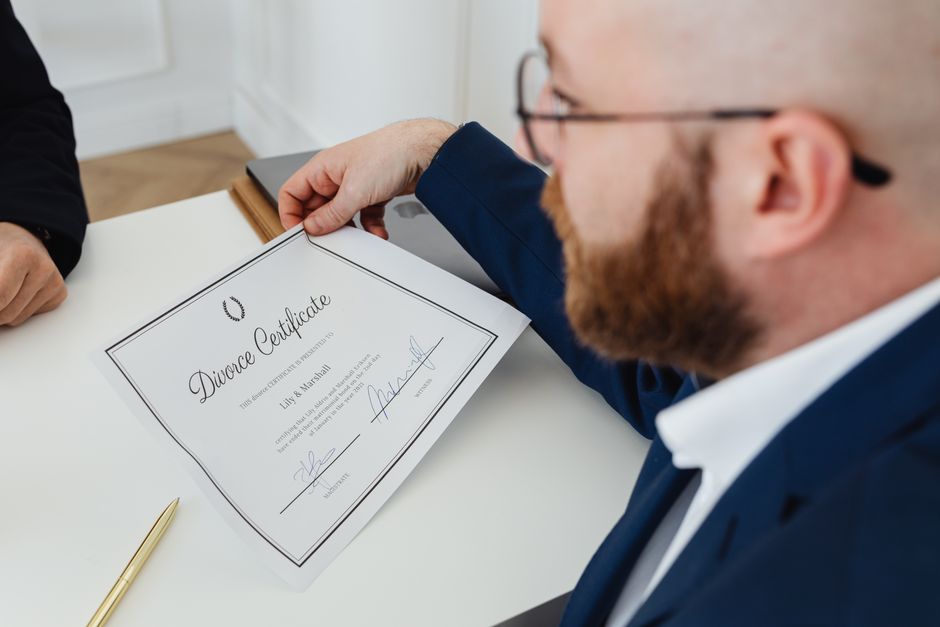
Certified True Copy vs Certified Translation: Two Different Questions
When preparing Vietnamese documents for an Australian visa, you encounter two distinct certifications that serve completely different purposes. Confusing them leads to unnecessary expense and delays.
| Feature | Certified True Copy | Certified English Translation |
|---|---|---|
| What it confirms | The photocopy is identical to the original document | The English text faithfully represents the Vietnamese original |
| Issued or signed by | Vietnamese notary office or People's Committee | Certified translator, with credentials and accuracy statement |
| Required for most Australian visas? | No: quality color scans are now accepted | Yes, always required for non-English documents |
| NAATI accreditation needed? | Not applicable | Only if the translator is inside Australia |
| Apostille required? | Not required by Home Affairs | Not applicable: translation carries its own certification |
What Does "Certified Copy" Mean in an Australian Visa Checklist?
The phrase "certified copy" appears in many older Australian visa guides, and it trips up Vietnamese applicants almost every time. In the Australian context, a certified copy historically meant a photocopy signed by a Justice of the Peace (JP), notary, or lawyer confirming the copy matched the original.
However, the Department of Home Affairs now runs a fully online application process through ImmiAccount. For most visa categories, including partner visas (subclass 309, 820, 100, and 801), certified copy documents are no longer required. The Department accepts quality scanned color copies or quality mobile phone photographs of your original documents.
This is categorically different from a Vietnamese certified true copy (bản sao công chứng), which is a notarized photocopy issued by a Vietnamese notary office or People's Committee. You do not need to visit a Vietnamese notary before submitting your application.
Do You Still Need a Vietnamese Notarized Copy for a Partner Visa?
For partner visas (subclass 309 and 820), the Department of Home Affairs has moved away from requiring certified copies. You scan your original Vietnamese birth certificate, marriage certificate, or other document at high resolution in color, then attach both the scan and its certified English translation to your ImmiAccount application.
There is one important caveat: requirements can vary by visa type and individual circumstance. Some specific conditions may apply for certain nationalities or document categories. Always read the evidence guide for your specific subclass on the Department of Home Affairs website before you submit.
For the translation, our certified Vietnamese document translation service provides a signed accuracy statement and full translator credentials, meeting the Home Affairs requirements for applicants lodging from outside Australia.
Does Your Vietnamese Translation Need NAATI Certification for Australia?
NAATI (National Accreditation Authority for Translators and Interpreters) is Australia's accreditation body. The Department of Home Affairs requires NAATI-accredited translators only for applications lodged from inside Australia.
For applications lodged outside Australia, which covers most Vietnamese applicants applying from Vietnam, the translator does not need NAATI accreditation. The Department requires that the translator include their full name, address, contact details, qualifications and experience in both languages, and a signed statement certifying the translation is accurate and complete.
A professional certified translator in Vietnam can produce a fully compliant translation for your Australian visa application, provided all credential information appears in the translated document.
Which Vietnamese Documents Always Need a Certified Translation for Australia?
Every Vietnamese document you submit that is not in English requires a certified English translation. The most common documents for Australian visa applications include:
- Birth certificate
- Marriage certificate (giấy đăng ký kết hôn)
- Police clearance certificate (phiếu lý lịch tư pháp)
- Household registration book (sổ hộ khẩu) or residence confirmation
- Educational diplomas and transcripts
- Employment letters and contracts
- Bank statements and financial documents
For sibling decision pages in this cluster, see certified true copy vs certified translation, whether to certify a copy before or after translation, and whether a certified translation needs notarization. For the full Australian translation guide, see certified Vietnamese translation for Australian visas.
When Might You Still Need a Vietnamese Notarized Copy?
There are situations where a Vietnamese certified true copy remains useful, even for Australian purposes. If you cannot locate your original document, a notarized copy from a Vietnamese notary office can serve as a substitute for the original when submitting your application.
Some Australian state government agencies (not immigration) may have separate requirements for processes such as overseas qualification recognition or registration with a professional body. If you are uncertain whether your specific visa type still requires a certified copy, check the official evidence requirements page on immi.homeaffairs.gov.au for your exact visa subclass. Immigration rules change periodically and checking directly against your visa subclass is always safest.
FAQ
Does my Vietnamese document need an apostille for an Australian visa?
No. The Department of Home Affairs does not require an apostille on any document submitted for a visa application. You need a quality color scan of the original plus a certified English translation. An apostille authenticates an issuing authority's seal on the original, primarily for use in other Hague Convention member countries, and is not required by Australian immigration authorities.
My partner visa checklist says "certified copy" - does that mean Vietnamese notarization?
No. For online partner visa applications (309/820), the Department of Home Affairs no longer requires traditional certified copies. A quality color scan of your original birth certificate or other document is accepted, paired with a certified English translation that includes the translator's credentials. You do not need to visit a Vietnamese notary office for this purpose.
Can I use a translation done in Vietnam for my Australian visa application?
Yes. Translators outside Australia do not need NAATI accreditation for Australian immigration applications. The translation must include the translator's full name, contact details, qualifications, and a signed accuracy statement. A professionally certified translation from Vietnam satisfies Home Affairs requirements when the application is lodged from outside Australia.
What is the difference between a certified true copy and a certified translation?
A certified true copy confirms a photocopy is identical to the original; it is issued by a Vietnamese notary or People's Committee. A certified translation converts the content from Vietnamese into English, signed by the translator with a certificate of accuracy. Most Australian visa applications require the translation, not the Vietnamese notarized copy.
Does my Vietnamese police clearance need a notarized copy before translation for Australia?
No. For Australian visa applications, you submit a color scan of your original police clearance certificate alongside its certified English translation. You do not need to have the original notarized by a Vietnamese authority beforehand. The translator certifies the English content independently of any copy authentication.

Written by Dao Huy (Lucas), Vietnamese translator and localization specialist (English, Chinese and French into Vietnamese). See translation services → · Certified Documents →