
I-485 Adjustment of Status: Do Vietnamese Documents Need Apostille?
💡 USCIS does not require an apostille on Vietnamese documents for Form I-485 Adjustment of Status. Under 8 CFR 103.2(b)(3), each foreign-language document needs only a complete certified English translation with the translator's signed certificate of accuracy - no apostille, no notarized copy, no certified true copy. Vietnam joining the Hague Apostille Convention on 11 September 2026 changes nothing for a USCIS filing.
- USCIS requires a certified English translation for every Vietnamese-language document you submit - not an apostille, not a notarized copy.
- The governing rule is 8 CFR 103.2(b)(3): a full translation plus the translator's signed certification of accuracy and competency.
- Vietnam joined the Hague Apostille Convention on 11 September 2026, but USCIS has never required apostille and does not require it now.
- Submit a plain photocopy of the original alongside the certified translation; a certified true copy is not required for I-485.
- Apostille is needed only when a non-USCIS authority - a foreign government, a university abroad - explicitly asks for it in writing.
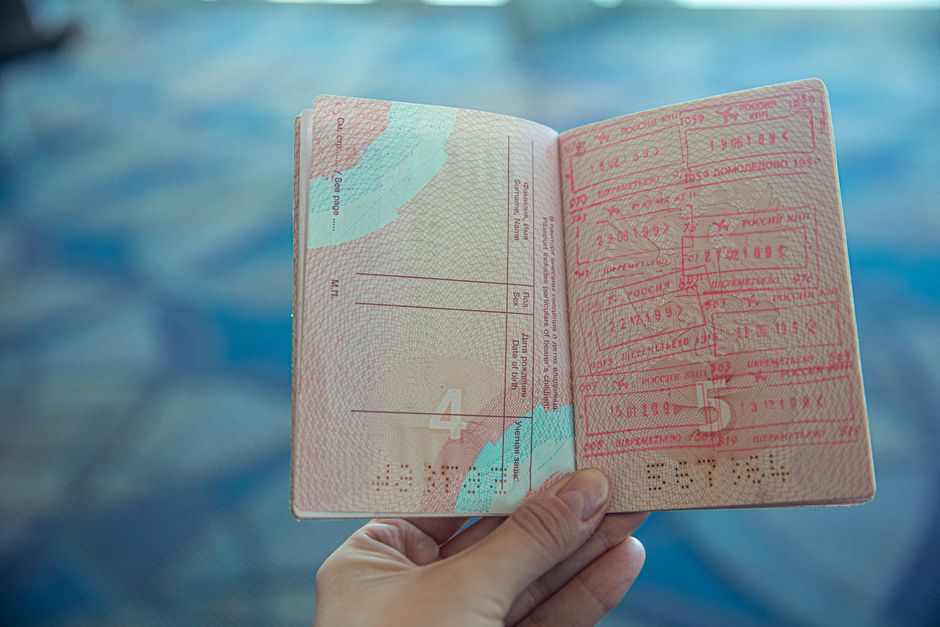
What I-485 Adjustment of Status Actually Requires
When you file Form I-485 to adjust status to lawful permanent resident inside the United States, USCIS asks for copies of your civil documents alongside the application. Because your birth certificate, marriage certificate, and other records are in Vietnamese, each document must be accompanied by a complete certified English translation.
The governing rule is 8 CFR 103.2(b)(3): any foreign-language document submitted to USCIS must come with a full English translation and a signed certification by the translator stating that the translation is complete and accurate, and that they are competent to translate from Vietnamese to English. USCIS does not ask for an apostille, a notarized copy, or a certified true copy. This requirement has not changed because Vietnam joined the Hague Apostille Convention.
| Option | What it is | Who provides it | Required for I-485? |
|---|---|---|---|
| Certified English translation | Full translation with translator's signed accuracy certificate | Certified translator | Yes - required |
| Plain photocopy of original | Copy of the Vietnamese-language document | Applicant | Yes - submit alongside the translation |
| Apostille | Government stamp authenticating the issuing authority's seal | Vietnamese MOFA (from 11 Sep 2026) | No - not required by USCIS |
| Certified true copy | Notary-stamped copy confirming it matches the original | Vietnamese notary / People's Committee | No - plain photocopy is sufficient |
| Notarized translation | Translation signed before a notary public | Notary public | No - neither required nor asked for |
Does Vietnam's 2026 Apostille Accession Change USCIS Requirements?
Vietnam deposited its accession instrument on 31 December 2025, and the Hague Apostille Convention entered into force for Vietnam on 11 September 2026. This is an important change for cross-border document authentication: a single MOFA apostille now replaces the old multi-step consular legalization chain for documents going to other member states.
But this change has no effect on USCIS filings. U.S. immigration regulations operate under 8 CFR - not the Hague Convention - for purposes of accepting immigration evidence. USCIS has never required apostille on foreign documents and does not require it now. An apostille tells a foreign government that a Vietnamese official's signature is genuine. USCIS does not need that confirmation and does not look for it in your I-485 package.
Which Vietnamese Documents Need Certified Translation for I-485?
For a typical family-based I-485 - a marriage-based green card, parent petition, or sibling petition - the Vietnamese documents most commonly requiring certified English translation include your birth certificate, marriage certificate, prior divorce decrees if applicable, and your household registration book if you submit it as supporting evidence of the family relationship.
For employment-based I-485 categories, you may also need certified translations of diplomas, transcripts, or professional credentials issued in Vietnam. Check the USCIS I-485 evidence checklist for your specific category. For a detailed look at the birth certificate question, see Does a Vietnamese Birth Certificate Need Apostille for USCIS?
Do I Need Both an Apostille AND a Certified Translation for USCIS?
No. For USCIS and Form I-485, apostille and certified translation are not paired requirements. They serve entirely different purposes for different authorities. An apostille is for when a foreign government or institution needs to verify that a Vietnamese public document is genuine. USCIS has its own document review processes and does not rely on the apostille system.
If you already hold an apostilled Vietnamese document - perhaps obtained for a prior non-US visa - you can include it in your I-485 package. The apostille will not harm your case. But it adds nothing for USCIS purposes, and you should not pay for one specifically for this filing.
For more on what USCIS does and does not ask for, see Does USCIS Require a Certified True Copy of Vietnamese Documents? and Notarized vs Certified Translation for USCIS.
What a Certified Translation for I-485 Must Include
Under 8 CFR 103.2(b)(3), a certified translation accepted by USCIS must contain a complete English rendering of every word, stamp, seal, and notation in the original Vietnamese document - nothing omitted. The translator must attach a signed statement that confirms the translation is complete and accurate, that they are competent to translate from Vietnamese to English, and that includes their name, date, and contact information.
- Complete English translation of every word, stamp, seal, and notation
- Translator's printed name and signature
- Statement that the translation is complete and accurate
- Statement that the translator is competent to translate from Vietnamese to English
- Date of translation and translator's contact information
Notarization is not required. A professional translator's own signed certificate is legally sufficient for USCIS. A certified Vietnamese document translation for USCIS prepared by a qualified translator satisfies 8 CFR 103.2(b)(3) in full. For the core distinction between these document types, see Certified True Copy vs Certified Translation: Which Do You Need?
Ready to file your I-485? Request a certified Vietnamese translation for USCIS and receive a complete, compliant package with the signed translator's certificate.
FAQ
Does USCIS require an apostille on my Vietnamese birth certificate for I-485?
No. USCIS requires only a complete certified English translation alongside a plain photocopy of the original. An apostille is not listed in the I-485 evidence requirements and is not needed for any USCIS filing.
Now that Vietnam has joined the Apostille Convention, do I need one for USCIS?
No. Vietnam joined the Hague Apostille Convention on 11 September 2026, but USCIS has never required apostille and does not start requiring it because of Vietnam's accession. USCIS requirements are set by 8 CFR, not the Hague Convention.
Can I submit a plain photocopy, or do I need a certified true copy for I-485?
A plain photocopy is sufficient. USCIS does not require a certified true copy - the government-stamped version from a Vietnamese notary or People's Committee. Keep the original safe because USCIS may ask to see it at your adjustment of status interview.
What is the difference between apostille and certified translation for I-485?
An apostille authenticates the seal of the official who signed the original Vietnamese document - it proves the document is genuine for a foreign authority. A certified translation converts the document's content into English with a signed accuracy certificate. USCIS needs the translation, not the apostille.
Will USCIS reject my I-485 if my translation is not notarized?
No. USCIS requires a certified translation under 8 CFR 103.2(b)(3) - a translation with the translator's signed certificate of accuracy and competency. Notarization is neither required nor requested. Your application will not be rejected for lacking a notary seal, provided the translator's certification is present and complete.
Written by Dao Huy (Lucas), Vietnamese translator & localization specialist (EN · ZH · FR → Vietnamese). See translation services → · Certified Documents →