
Why Do You Feel Tired After Eating?
💡 Feeling tired after eating is a real physiological response, driven by at least four overlapping mechanisms: a natural afternoon dip in your circadian rhythm, glucose suppressing wake-promoting orexin neurons, insulin routing more tryptophan into the brain where it converts to sleep-inducing serotonin, and a rise in inflammatory cytokines. The popular idea that blood drains from your brain during digestion is a myth.
- Post-meal sleepiness (postprandial somnolence) is a normal biological response, not a sign of poor health or overeating.
- Glucose directly suppresses orexin neurons; insulin shifts tryptophan into the brain, boosting serotonin and melatonin - both promote sleep.
- Your circadian rhythm already drops alertness in the early afternoon; a midday meal amplifies a dip that would happen anyway.
- High-glycaemic, high-fat, and large meals produce more fatigue than smaller, balanced meals.
- A short walk after eating is the most accessible and well-studied way to reduce post-meal sleepiness.
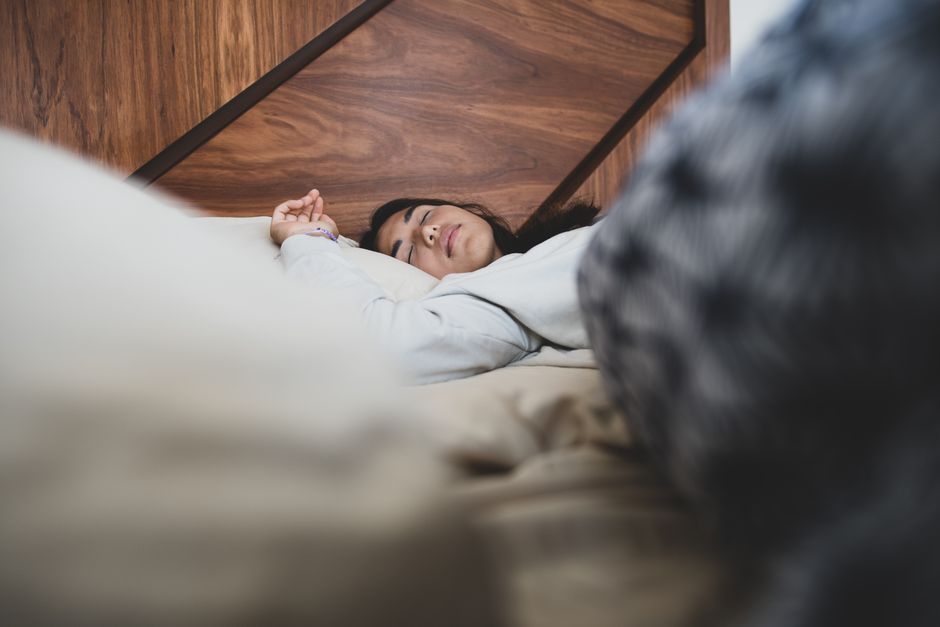
Why does lunch make you sleepy?
The drowsiness that follows a meal - especially a large midday one - is called postprandial somnolence, colloquially known as a food coma. It is not a sign of laziness or poor health. It is the result of at least four distinct physiological processes converging at the same moment, all pushing your brain toward rest.
The most underappreciated factor is timing. Your body's circadian clock naturally reduces arousal-promoting signals in the early afternoon, creating a dip in alertness that would occur even if you skipped lunch entirely. A meal does not cause this dip; it amplifies one that was already coming.
The four real mechanisms behind post-meal fatigue
Here is what is actually happening inside your brain and gut when fatigue arrives after eating:
Orexin suppression by glucose: Orexin (also called hypocretin) is a neuropeptide produced in the hypothalamus that promotes wakefulness and alertness. When you eat carbohydrates and blood glucose rises, orexin-expressing neurons are directly inhibited. Less orexin means less drive to stay awake.
The insulin-tryptophan-serotonin pathway: Eating - particularly a carbohydrate-rich meal - triggers an insulin surge. Insulin drives most large amino acids (branched-chain amino acids) from the blood into muscle tissue, but it clears tryptophan less efficiently. As a result, tryptophan's proportion in the bloodstream rises, it crosses the blood-brain barrier more easily, and inside the brain it is converted first to serotonin, then to melatonin. Both chemicals signal sleep.
Cytokine signalling: Eating, especially a high-calorie meal, triggers a mild inflammatory response. Pro-inflammatory cytokines rise in the hours after eating, and these immune proteins are independently linked to fatigue and increased sleep pressure.
Parasympathetic activation: After a meal, your nervous system shifts toward its rest-and-digest mode. Larger meals produce stronger parasympathetic activation, which slows heart rate, reduces adrenaline, and promotes the calm, low-energy state that precedes sleep.
Does blood really divert from your brain during digestion?
This is the most widely repeated explanation for post-meal fatigue, and it is largely a myth. Your body does increase blood flow to the gastrointestinal tract after eating, but the brain has privileged vascular priority. Cerebral blood flow is tightly regulated by autoregulatory mechanisms and does not drop meaningfully in response to a normal meal. Researchers examining postprandial somnolence now identify neurohormonal changes - particularly the orexin, tryptophan-serotonin, and cytokine pathways - as the primary drivers, not blood redistribution.
How does what you eat affect the afternoon slump?
Meal composition matters significantly. Not all foods trigger post-meal fatigue to the same degree:
| Meal type | Why it worsens fatigue | Better choice |
|---|---|---|
| High-GI refined carbs (white rice, white bread) | Rapid blood-sugar spike then crash; stronger orexin suppression | Whole grains, legumes |
| Very large, high-fat meal | More cholecystokinin (CCK) release; stronger parasympathetic shift | Smaller portions with lean protein |
| Very high-protein meal (large portions) | More tryptophan available for brain conversion to serotonin | Moderate protein with vegetables |
| Alcohol with lunch | Additive sedative effect on every other mechanism | Avoid or limit |
A 2025 scoping review published in Nutrients (Kaneda et al., Hoshi University, Tokyo) analysed 9 peer-reviewed studies on meal timing, blood glucose, and workplace sleepiness. It found that higher BMI, poor diet quality, and poor mental health were consistently associated with greater daytime sleepiness after eating. This is general information, not medical advice; if post-meal fatigue is severe or affecting your daily life, talk to a healthcare professional.
How to reduce post-meal tiredness
The same review identified these strategies as the best supported by current evidence:
- A short walk: Brief walking breaks every 30 minutes reduced fatigue accumulation in sedentary workers without any dietary change. This is the most consistently supported intervention.
- Light exposure: Blue-enriched or red-saturated white light during the post-lunch window improved alertness in several controlled studies.
- Sitting less: Alternating between sitting and standing reduced the unbroken sedentary time that deepens the afternoon dip.
- A smaller lunch: Eating less at midday reduces the glucose rise and the tryptophan-serotonin cascade. For broader context on meal timing and energy, the post on whether breakfast is really the most important meal is worth reading.
- A short nap (10-20 min): If the situation allows, a brief nap can clear adenosine and restore alertness without the grogginess of waking from deep sleep. The guide on how long you should nap covers the research on optimal duration.
Caffeine helps by blocking adenosine receptors, but sleep pressure continues building underneath. When caffeine clears, the fatigue returns. The post on coffee and the gut-brain axis explores the fuller picture. The growing evidence on how gut bacteria influence mood and fatigue is also relevant: digestion is not a one-way process.
When should fatigue after eating concern you?
Mild post-meal sleepiness is entirely normal. It becomes worth investigating when it is severe after small meals, accompanied by other symptoms (sweating, rapid heartbeat, shakiness, or headache), or when it significantly impairs daily concentration and function. These patterns can point to reactive hypoglycaemia, undiagnosed type 2 diabetes, sleep apnoea, anaemia, or coeliac disease. A clinician can assess which - if any - applies to your situation.
FAQ
Is it normal to feel sleepy after every meal?
Mild sleepiness after a medium or large meal is completely normal, driven by circadian rhythms, orexin suppression, and the insulin-serotonin pathway. If the tiredness is severe after even small meals, or is accompanied by symptoms such as sweating or a rapid heartbeat, it is worth checking with a doctor for conditions like reactive hypoglycaemia or type 2 diabetes.
Why am I more tired after lunch than after breakfast?
Two factors combine: lunch typically contains more carbohydrates and calories than breakfast, producing a stronger hormonal response. Additionally, your circadian rhythm creates a natural alertness dip between roughly 1 pm and 3 pm - a feature shared by all humans regardless of whether they eat or not. These two effects reinforce each other around midday, making lunch the peak moment of post-meal fatigue.
Does turkey cause more sleepiness than other foods?
This is a popular myth. Turkey contains no more tryptophan than chicken, beef, or cheese. The post-holiday drowsiness people associate with turkey dinners is almost entirely explained by the size of the meal, alcohol consumed, and the relaxation of the occasion - not by anything unique to turkey's amino acid profile.
Can I train myself not to feel tired after eating?
You can significantly reduce the effect, but not eliminate it entirely, since the circadian component is hard-wired into human biology. Eating smaller, lower-glycaemic lunches, taking a short walk after eating, and getting enough sleep at night all meaningfully reduce post-meal fatigue. Relying only on caffeine tends to backfire once it wears off.
How long does post-meal tiredness normally last?
For most people, the sharpest post-meal fatigue peaks within 30 to 60 minutes of finishing a meal and begins to ease within 60 to 90 minutes. A very large or high-fat meal can extend this window. Persistent fatigue lasting several hours after every meal is outside the normal range and worth discussing with a healthcare professional.
About the author
Dao Huy (Lucas) is a professional translator working across English, Vietnamese, Chinese, and French, with over seven years of experience in certified and specialised translation. He writes these explainer posts out of genuine curiosity - the science of why the body does what it does is endlessly fascinating, and the gap between what journals publish and what most people actually read is enormous. As someone whose work lives in language and precision, translating complex ideas into clear, honest explanations feels like a natural part of the same craft.
If you need accurate English-Vietnamese or certified document translation - passports, diplomas, medical records, legal contracts - or multilingual localization into any of these four languages, Dao Huy offers professional translation services. Get a quote at daohuy.com.
Written by Dao Huy (Lucas), Vietnamese translator & localization specialist (EN · ZH · FR → Vietnamese). See translation services →